

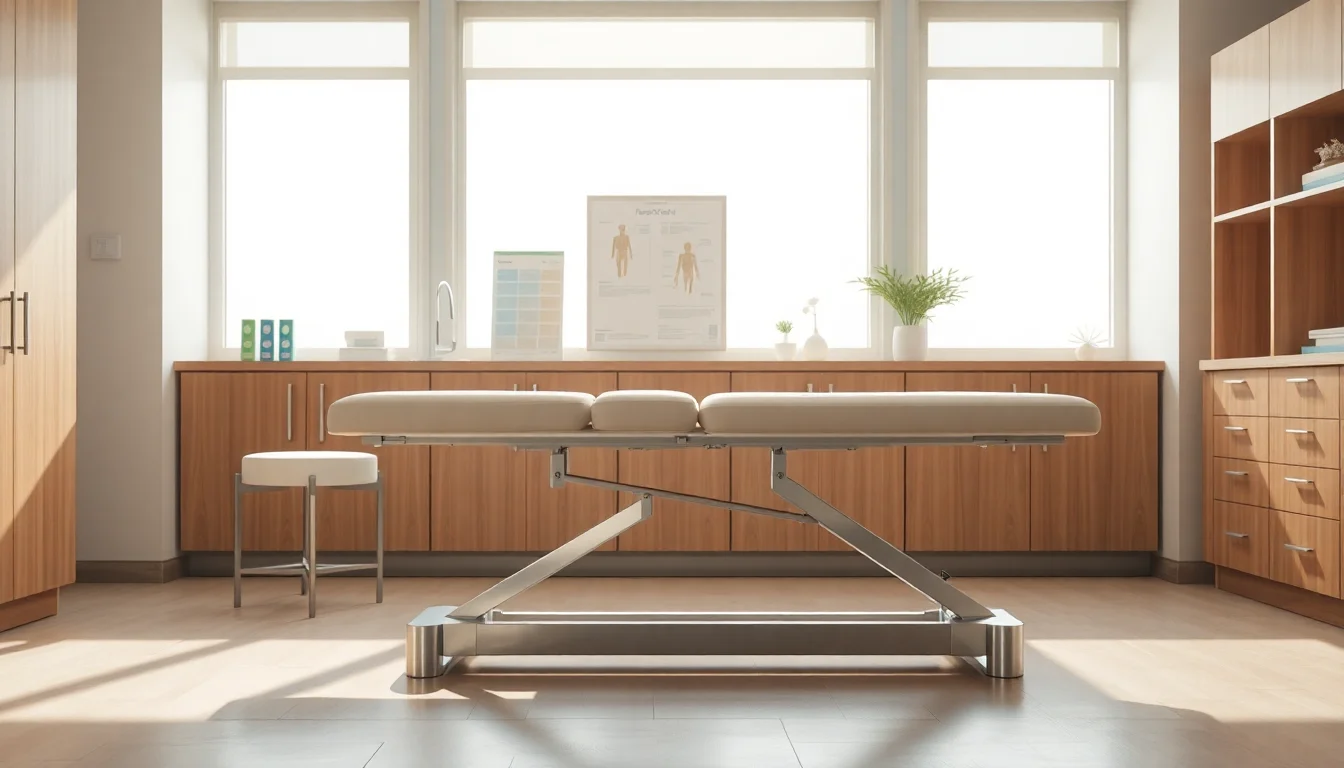
The straight talk on chiropractic tables — from portables to full hi-lo electrics
Plain-language table guidance for real clinicians. We translate spec sheets into plain comparisons, surface the real cost of ownership — drops, motors, upholstery, repair — and point you to the specific tables and financing options that fit your technique and patient mix.
Our standard: Hands-on testing notes, dealer and service-tech interviews, and zero recycled brand-website copy.
What we cover
Everything that matters before you sign the invoice
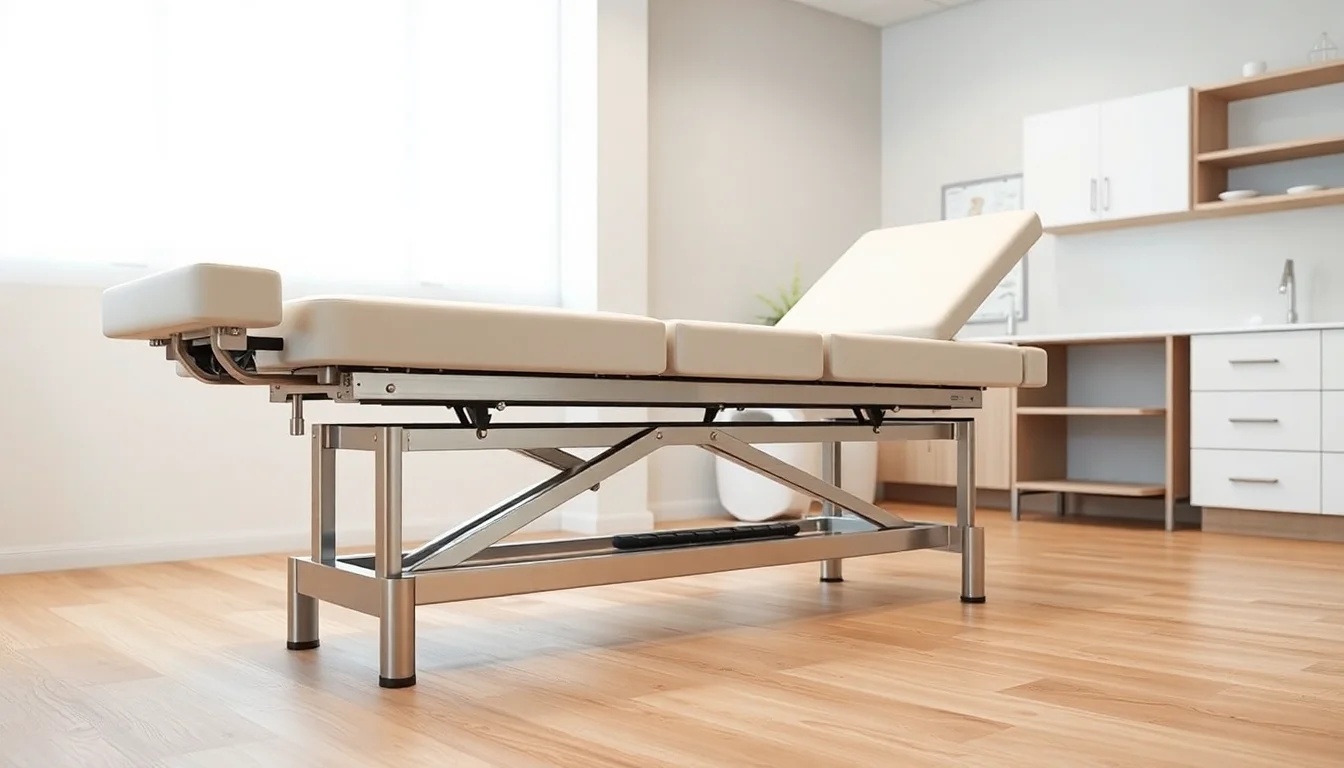
A chiropractic table is the single most-used piece of equipment in your practice. We treat that decision accordingly.
Drop-piece reliability under clinical load
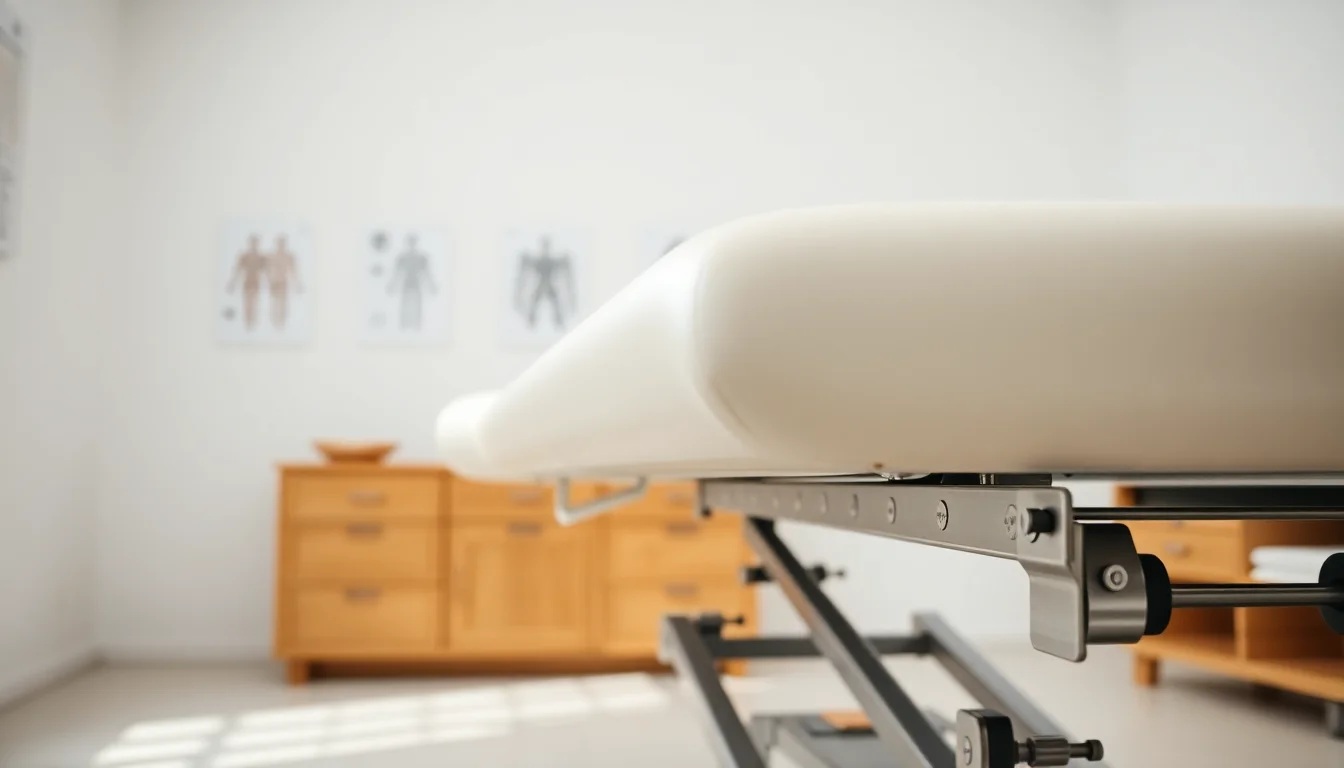
A drop piece (the spring-loaded section that releases on patient contact to assist the adjustment) is only useful if it fires consistently after thousands of cycles. We test and report on real-world durability, not just factory specs.
Portable vs. stationary total cost of ownership
A $400 portable can cost more than a $2,000 stationary over three years once you factor in foam compression, cover wear, and travel repairs. We show you the math.
Hi-lo electric tables and financing
A hi-lo table (one whose height adjusts via electric motor, letting patients step on at standing height and lower to treatment position) runs $3,000–$8,000. We cover lease and financing structures so the payment fits your collections.
Upholstery and long-term repair costs
Vinyl cracks, foam compresses, and headrest paper jams. We track which brands have affordable replacement parts and which leave you hunting for a discontinued SKU.
Technique-specific fit
Diversified, Thompson Terminal Point, Cox Flexion-Distraction, Activator, and manual soft-tissue work each impose different demands on a table. We match table features to technique.
Vendor and dealer transparency
We link out to ScripHessco, Henry Schein, Chiropractic Outfitters, EarthLite, Oakworks, and Amazon — and we tell you which vendor has the better return policy before you click.
How we work
Spec sheets tell you what a table weighs. We tell you whether it holds up.
Research you can bring to a purchasing conversation
Whether you are negotiating with a dealer or justifying a capital expense to a practice partner, our comparisons give you the numbers and the context.Hands-on testing notes
We document drop tension, headrest adjustment resistance, and footboard stability under clinical use — not just unboxing impressions.
Service-tech interviews
The people who repair these tables know which brands fail first and which parts are impossible to source. We ask them.
Plain-language verdicts up front
Every review leads with a clear recommendation. The spec table comes after, not before.
Every stage of practice, covered — from first purchase to practice expansion.
New-grad buying guide
Your first table purchase happens under time pressure, with limited capital, and a lot of conflicting advice. We wrote the guide we wish existed when we were in your position.
Multi-table practice planning
Standardizing on one platform across two or three rooms changes your parts inventory, your staff training, and your service contract leverage. We walk through the tradeoffs.
Used and refurbished market
A pre-owned hi-lo electric can be a smart buy or a money pit depending on the motor hours and drop-piece history. We explain what to inspect and what to walk away from.
Accessories that actually matter
Lumbar rolls, face paper, armrests, and stool height affect patient experience and your own ergonomics every day. We separate the essentials from the upsells.
Table types
Table categories we cover
From the portable you carry to house calls to the flagship electric hi-lo anchoring your main adjusting room.
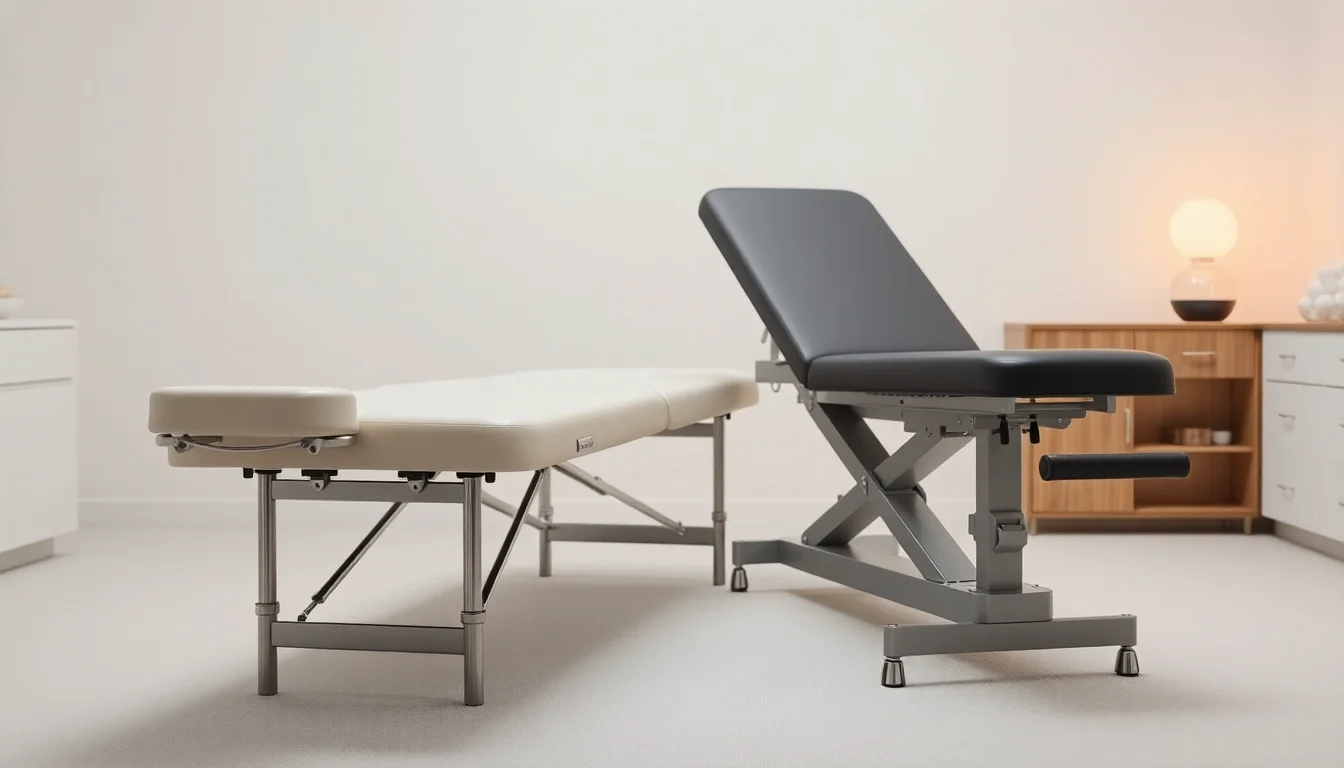
Portable chiropractic tables
Lightweight, fold-flat tables for associates, home visits, and event work. We test weight, setup time, and how the foam holds up after a year of daily use.
Stationary manual tables
Fixed-height tables with drop sections are the workhorse of most private practices. We compare drop tension ranges, weight capacity, and upholstery durability.
Hi-lo electric tables
Motor-driven height adjustment is a clinical necessity if you treat elderly, post-surgical, or mobility-limited patients. We cover motor reliability, noise levels, and warranty terms.
Flexion-distraction tables
Cox Flexion-Distraction technique requires a specific table with a floating caudal section. We review the major models and explain what the spec numbers mean in practice.
Elevation and traction tables
Intersegmental traction rollers and elevation tables add therapeutic options. We assess build quality and whether the added revenue justifies the floor space.
Massage and bodywork tables
Adjacent bodywork pros — RMTs, physical therapists, osteopaths — share many of the same table needs. We note where our reviews cross over.
Drop-piece and accessory upgrades
Pelvic drops, thoracic drops, and cervical drops can be retrofitted on some tables. We explain what tension cocking means, how to adjust it, and which aftermarket parts are worth buying.
Financing and lease options
We explain fair-market-value leases, $1 buyout leases, and equipment loans in plain language — and introduce the financing partners who work specifically with healthcare practices.
Reupholstery and repair
A quality reupholstery job can add five years to a good table frame. We point you to reputable vendors and explain what a realistic quote looks like.
Latest reviews and guides
View all posts »New articles go deep on specific tables, technique-to-table fit, and the purchasing decisions that come up most often in practice. Start here if you are not sure what you need.
FAQs
Questions we hear all the time
Straight answers to the questions new grads and experienced practitioners ask before a major table purchase.
What is a drop piece and why does it matter?
A drop piece is a spring-loaded section of the table — typically at the pelvis, thorax, or cervical spine — that is pre-tensioned and releases when you apply a quick thrust. The release adds a small amount of movement that complements the adjustment. Drop-piece reliability matters because a section that fires inconsistently or loses tension quickly makes your technique less effective and frustrates your workflow.
How much should I budget for my first chiropractic table?
A reliable new portable runs $400–$800. A solid stationary manual table with drop sections costs $1,200–$2,500. A mid-range hi-lo electric (height-adjustable via motor) starts around $3,000 and tops out near $8,000 for flagship models. Used equipment can save 30–50% if you know what to inspect — our used-table guide walks you through that process.
Is leasing a hi-lo table smarter than buying outright?
It depends on your cash position and how you handle taxes. A fair-market-value lease keeps monthly payments low and lets you upgrade at term end; a $1 buyout lease costs more per month but you own the equipment. Most new-grad practices benefit from leasing to preserve working capital in the first two years. We cover the math in our financing guide.
What is tension cocking on a drop table?
Tension cocking refers to the act of manually pressing down on a drop piece to re-engage its spring mechanism after it fires. Most drop sections need to be cocked between patients or between adjustments. Tables vary in how much force is required and how audible the re-engagement is — both matter for clinical workflow and patient experience.
Which table brands are easiest to get repaired?
Lloyd, Leander, and Omni have broad dealer and service networks in North America with readily available parts. Some imported brands offer attractive purchase prices but have thin service coverage and discontinued parts within five years. We flag serviceability in every review.
Do I really need a hi-lo electric table, or is a manual table enough?
If your patient mix skews older, post-surgical, or includes anyone with limited mobility, a hi-lo electric is a clinical necessity — not a luxury. Getting a 75-year-old onto a fixed-height table safely is a real challenge. If you primarily treat young athletes or working-age adults, a quality manual table with a step stool often serves perfectly well.
60+
Tables reviewed
$400–$8K
Price range covered
12+
Vendors compared
8
Techniques addressed